
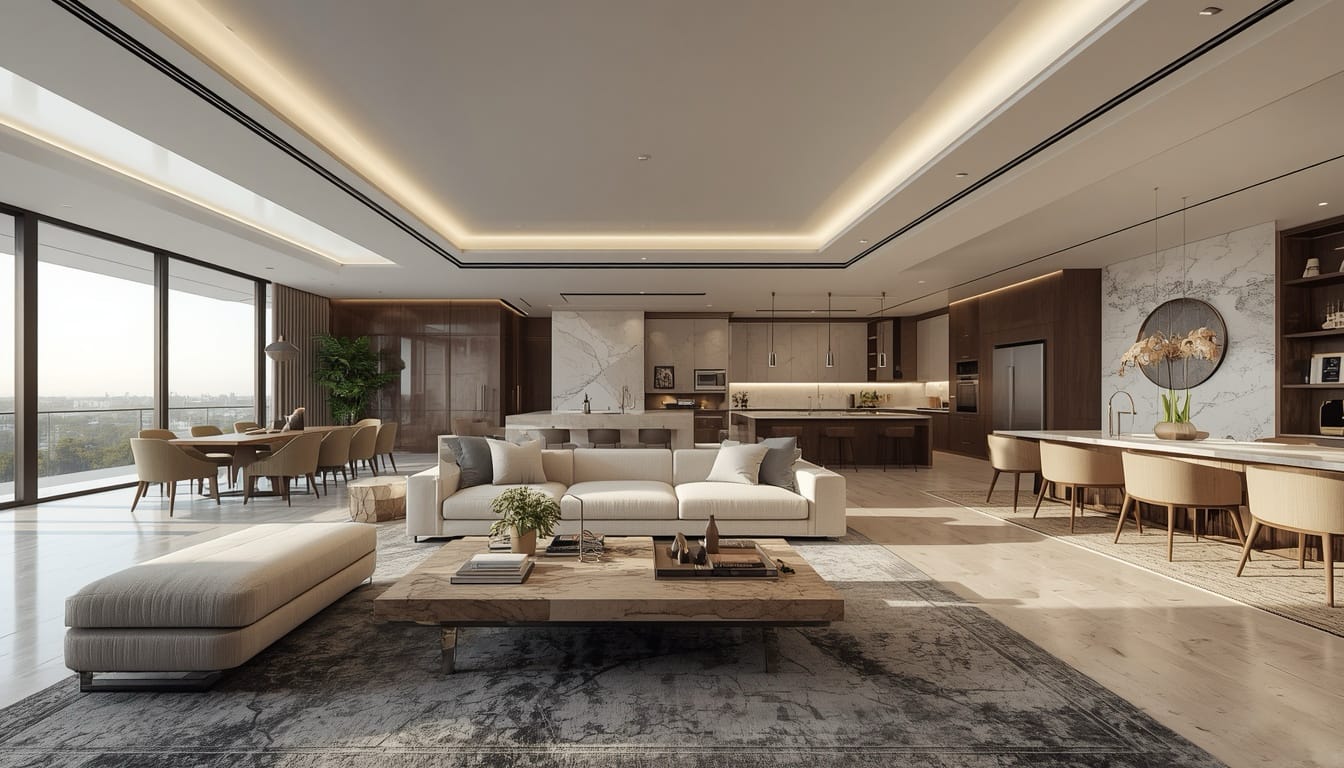
Interior design remodeling is one of the most impactful ways to enhance the beauty, functionality, comfort, and value of your home. In 2026, homeowners are investing more than ever in personalized interior spaces that reflect their lifestyles, improve daily living, and support changing family needs.
Unlike simple decorating projects, interior design remodeling focuses on transforming the structure, layout, flow, and functionality of interior spaces while creating cohesive aesthetics throughout the home. Whether you’re updating a single room, redesigning an open-concept living area, renovating an entire house, or modernizing an older property, professional interior design remodeling can dramatically improve how your home looks and feels.
Today’s homeowners seek more than beautiful interiors. They want spaces that support remote work, family activities, entertaining, relaxation, wellness, and long-term comfort. Interior remodeling combines design expertise, strategic planning, and construction improvements to create spaces that meet these evolving needs.
This comprehensive guide explores everything homeowners need to know about interior design remodeling, including what it is, why it matters, when to remodel, how the process works, current design trends, costs, common mistakes, and expert recommendations for maximizing results and return on investment.
What Is Interior Design Remodeling?
Interior design remodeling is the process of redesigning and improving the interior spaces of a home to enhance aesthetics, functionality, comfort, and efficiency.
Unlike interior decorating, which focuses primarily on furnishings and accessories, interior remodeling often involves structural and functional changes such as:
- Reconfiguring room layouts
- Removing walls
- Improving traffic flow
- Updating flooring
- Replacing cabinetry
- Upgrading lighting
- Installing built-in storage
- Modernizing finishes
- Enhancing architectural features
Interior design remodeling combines construction expertise with professional design principles to create spaces that function better and look more cohesive.
Quick Answer
Interior design remodeling transforms interior spaces through design, renovation, and construction improvements that enhance functionality, aesthetics, comfort, and home value.
Why Remodel Your Home’s Interior?
Homeowners pursue interior design remodeling for a variety of practical and lifestyle-related reasons.
1. Improve Functionality
One of the most common reasons for remodeling is improving how a home functions.
Many older homes have:
- Inefficient layouts
- Small rooms
- Limited storage
- Poor traffic flow
- Outdated room configurations
Modern remodeling can create spaces that better support daily living.
Examples include:
- Open-concept layouts
- Home offices
- Expanded kitchens
- Multifunctional spaces
- Improved storage systems
2. Increase Home Value
Interior remodeling can significantly enhance a property’s market appeal.
Updated interiors often attract buyers because they:
- Feel move-in ready
- Reflect current design preferences
- Require fewer immediate upgrades
Well-designed interiors can help a home stand out in competitive real estate markets.
3. Modernize Outdated Spaces
Interior trends evolve over time.
Features that once felt modern may now appear outdated, including:
- Popcorn ceilings
- Heavy wood paneling
- Closed floor plans
- Outdated flooring
- Dark finishes
Remodeling allows homeowners to create fresh, contemporary interiors.
4. Improve Comfort and Livability
A thoughtfully remodeled interior can dramatically improve quality of life.
Benefits may include:
- Better natural light
- Improved organization
- Enhanced privacy
- Reduced clutter
- More comfortable living areas
5. Support Lifestyle Changes
Life changes often drive remodeling projects.
Examples include:
- Growing families
- Empty nesters
- Remote work needs
- Aging in place
- Multigenerational living
Interior remodeling helps homes adapt to changing circumstances.
When Should You Consider Interior Design Remodeling?
Recognizing the right time to remodel can help homeowners maximize both enjoyment and investment.
Signs It’s Time for Interior Remodeling
Outdated Appearance
If your home feels stuck in another decade, remodeling can refresh its appearance and functionality.
Lack of Storage
Storage shortages often create clutter and frustration.
Custom solutions can improve organization throughout the home.
Poor Room Layouts
Signs include:
- Wasted space
- Congested traffic patterns
- Awkward room arrangements
- Underutilized areas
Home No Longer Fits Your Lifestyle
As needs evolve, existing layouts may become less effective.
Examples include:
- Need for a home office
- Additional storage requirements
- Entertainment spaces
- Accessibility improvements
Preparing for Resale
Many homeowners remodel before selling to increase buyer appeal and market value.
How Does an Interior Design Remodeling Project Work?
Understanding the remodeling process helps homeowners prepare for success.
Step 1: Define Goals and Priorities
Start by identifying:
- Problem areas
- Desired improvements
- Budget limitations
- Long-term plans
Clear goals guide all design decisions.
Step 2: Establish a Budget
A realistic budget should account for:
- Materials
- Labor
- Design services
- Permits
- Unexpected expenses
Experts recommend reserving 10% to 20% for contingencies.
Step 3: Develop a Design Plan
The design phase may include:
- Space planning
- Layout revisions
- Material selection
- Color palettes
- Lighting plans
- Furniture placement
Professional designers help ensure all elements work together cohesively.
Step 4: Select Materials and Finishes
Popular choices include:
Flooring
- Hardwood
- Luxury vinyl plank
- Porcelain tile
- Engineered wood
Countertops
- Quartz
- Granite
- Marble
Cabinetry
- Custom cabinetry
- Semi-custom cabinetry
- Built-in storage systems
Step 5: Construction and Installation
This phase may involve:
- Demolition
- Framing
- Electrical upgrades
- Plumbing modifications
- Flooring installation
- Cabinet installation
- Painting
Step 6: Styling and Final Touches
The final stage includes:
- Furniture placement
- Artwork
- Accessories
- Window treatments
- Decorative lighting
How Much Does Interior Design Remodeling Cost in 2026?
Costs vary based on project scope, materials, and location.
Basic Interior Remodeling
Includes:
- Paint
- Flooring updates
- Lighting upgrades
Estimated Cost:
$10,000–$30,000
Mid-Range Interior Remodeling
Includes:
- Room redesigns
- Built-ins
- New finishes
- Improved layouts
Estimated Cost:
$30,000–$100,000
Luxury Whole-Home Remodeling
Includes:
- Structural modifications
- Custom millwork
- Premium materials
- Designer finishes
Estimated Cost:
$100,000–$500,000+
Most Popular Interior Design Remodeling Trends in 2026
Open-Concept Living Spaces
Open layouts remain highly desirable.
Benefits include:
- Improved flow
- Better natural light
- Enhanced social interaction
Multifunctional Rooms
Modern homes increasingly feature spaces that serve multiple purposes.
Examples include:
- Home office and guest room combinations
- Flexible family rooms
- Convertible workspaces
Natural Materials
Popular materials include:
- Wood
- Stone
- Linen
- Natural textures
These materials create warmth and authenticity.
Built-In Storage
Custom storage solutions continue growing in popularity.
Benefits include:
- Better organization
- Reduced clutter
- Increased functionality
Wellness-Focused Design
Homeowners increasingly prioritize wellness through:
- Improved lighting
- Better air quality
- Natural materials
- Relaxing environments
Interior Design Styles Popular in 2026
Modern Design
Features:
- Clean lines
- Minimalism
- Neutral palettes
Transitional Design
Combines traditional and contemporary elements.
One of the most requested styles among homeowners.
Contemporary Design
Focuses on current trends and evolving aesthetics.
Scandinavian Design
Known for:
- Simplicity
- Functionality
- Light color palettes
Modern Farmhouse
Popular features include:
- Warm textures
- Natural wood
- Comfortable living spaces
Best Rooms for Interior Design Remodeling
Living Room Remodeling
Benefits include:
- Improved comfort
- Better entertaining space
- Updated aesthetics
Kitchen Remodeling
Often considered the heart of the home.
Can dramatically improve functionality and resale value.
Bathroom Remodeling
Enhances comfort, luxury, and efficiency.
Home Office Remodeling
Increasingly important for remote workers.
Basement Remodeling
Transforms underutilized areas into functional living space.
Lighting and Interior Remodeling
Lighting plays a critical role in interior design.
Ambient Lighting
Provides general illumination.
Examples:
- Ceiling fixtures
- Recessed lights
Task Lighting
Supports specific activities.
Examples:
- Desk lamps
- Under-cabinet lighting
Accent Lighting
Highlights architectural features and focal points.
Common Interior Design Remodeling Mistakes to Avoid
Following Trends Without Considering Longevity
Choose designs that will remain attractive for years.
Ignoring Functionality
Beautiful spaces should also support everyday living.
Poor Lighting Planning
Lighting impacts both aesthetics and usability.
Inadequate Storage
Storage shortages create clutter and reduce functionality.
Unrealistic Budgets
Unexpected costs frequently arise during remodeling.
How Interior Design Remodeling Increases Home Value
Interior remodeling can contribute to:
- Higher resale value
- Faster sales
- Increased buyer interest
- Better market positioning
Homes with modern interiors often attract a broader audience.
Frequently Asked Questions About Interior Design Remodeling
What is the difference between interior design and interior remodeling?
Interior design focuses on planning aesthetics and functionality, while remodeling involves physical renovations and construction changes.
Is interior remodeling worth the investment?
Yes. Interior remodeling often improves functionality, comfort, and property value while enhancing daily living.
How long does interior remodeling take?
Project timelines vary but typically range from several weeks to several months depending on complexity.
Which room should I remodel first?
Many homeowners prioritize kitchens, bathrooms, and primary living spaces because they deliver significant functionality and value improvements.
Does interior remodeling increase home value?
Updated interiors often improve buyer appeal and contribute positively to resale potential.
What interior design style is most popular in 2026?
Transitional and modern styles remain among the most requested design approaches.
How much should I budget for unexpected expenses?
Experts generally recommend setting aside 10% to 20% of your total project budget.
Expert Interior Design Remodeling Tips
- Prioritize functionality.
- Focus on long-term needs.
- Invest in quality materials.
- Create cohesive design themes.
- Maximize natural light.
- Improve storage throughout the home.
- Balance trends with timeless design.
- Work with experienced professionals.
- Plan realistic budgets.
- Consider future resale appeal.
SEO and AEO Quick Answers
What is interior design remodeling?
Interior design remodeling involves renovating and redesigning interior spaces to improve functionality, appearance, comfort, and overall home value.
Why should homeowners remodel interior spaces?
Homeowners remodel to improve functionality, modernize outdated rooms, increase property value, enhance comfort, and better support their lifestyles.
When is the best time to remodel a home’s interior?
The best time is when existing spaces no longer meet your needs, appear outdated, require repairs, or when preparing a home for resale.
How much does interior design remodeling cost?
Interior remodeling projects typically range from $10,000 for smaller updates to over $500,000 for luxury whole-home renovations.
Conclusion
Interior design remodeling remains one of the most effective ways to transform a house into a home that better supports modern living. Whether you’re updating a single room, redesigning an entire floor plan, or completing a whole-home renovation, thoughtful design and strategic remodeling can dramatically improve comfort, functionality, aesthetics, and long-term value.
Successful interior remodeling projects begin with clear goals, realistic budgets, and a comprehensive design strategy. By focusing on functionality, quality craftsmanship, timeless aesthetics, and future needs, homeowners can create beautiful spaces that enhance everyday living while protecting their investment.
As design trends continue evolving in 2026, the most successful interiors balance style with practicality, creating homes that not only look impressive but also perform exceptionally well for years to come.
0 Comments